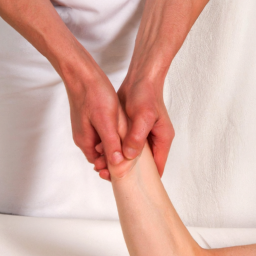
You’re in for a treat! In our article, “Adjusting the Intensity of the Massage,” we’ll explore the wonderful world of massages and answer the burning question on your mind: can you adjust the intensity of the massage? Whether you prefer a gentle caress or a deep tissue pummeling, we’ve got you covered. So sit back, relax, and let’s embark on a journey to find the perfect balance between relaxation and rejuvenation.
Adjusting the Intensity of the Massage
Massage therapy is a deeply relaxing and rejuvenating experience, but it is crucial to consider the intensity of the massage to ensure it is tailored to the needs and preferences of the individual. When it comes to adjusting the intensity of the massage, there are several factors to consider, including the client’s preferences, effective communication, utilization of different massage techniques, adjusting pressure and depth, using tools and accessories, focusing on specific areas, modifying speed and rhythm, adapting to sensitivity and pain thresholds, and continuously monitoring feedback and reactions.
Factors to Consider for Adjusting Massage Intensity
To effectively adjust the intensity of a massage, it is essential to take into account various factors. These include the individual’s body type, overall health condition, specific concerns or conditions they may have, and their previous experience with massages. Understanding these factors can help the massage therapist determine the ideal intensity level that will provide the most beneficial and comfortable experience for the client.
Understanding the Client’s Preferences
Every individual is unique, and their preferences for massage intensity can vary significantly. Some clients may prefer a deep tissue massage with firm pressure, while others may prefer a lighter touch. To ensure client satisfaction, it is important to have an open dialogue with them before the session. Ask them about their expectations, previous massage experiences, and if there are any specific areas they want you to focus on or avoid. By understanding their preferences, you can adjust the intensity accordingly and provide a personalized massage experience.
Communication with the Client
Clear and effective communication between the client and massage therapist is the key to adjusting the intensity of the massage. Encourage your clients to provide feedback during the session regarding the pressure, depth, or any discomfort they may be experiencing. Regular check-ins can help you gauge the client’s comfort level and make necessary adjustments accordingly. Remember, your clients rely on you to deliver a comfortable and beneficial experience, so actively encourage them to communicate their needs throughout the session.
Utilizing Different Massage Techniques
Massage therapists possess a wide range of techniques and modalities that can be utilized to adjust the intensity of the massage. For clients who prefer a lighter touch, techniques such as Swedish massage, aromatherapy, or hot stone massage can be employed to provide a gentle and relaxing experience. On the other hand, for clients who desire a deeper massage, techniques like deep tissue massage, trigger point therapy, or sports massage can be used to target specific areas and provide firmer pressure. Understanding and implementing these techniques can help customize the intensity of the massage to suit individual preferences.
Adjusting Pressure and Depth
The pressure and depth applied during a massage greatly influence its intensity. When adjusting the pressure, it is important to start with lighter pressure and gradually increase as per the client’s comfort level. Pay close attention to non-verbal cues, such as tensing of muscles or flinching, which may indicate discomfort. Deepening the pressure in a slow and controlled manner allows the client’s muscles to adjust and relax, ensuring a more comfortable massage experience.
Using Tools and Accessories
Various tools and accessories can aid in adjusting the intensity of the massage. Use techniques such as kneading, tapping, or rolling with your hands, but also consider incorporating tools like massage balls, foam rollers, or percussion devices. These tools can provide additional pressure or target specific areas more effectively, enabling you to customize the intensity of the massage to suit the client’s needs.
Focusing on Specific Areas
Adjusting the intensity of the massage can involve focusing on specific areas of the body that require more or less pressure. If a client has a particular area of concern, such as tight shoulders or a sore lower back, spending extra time and applying more pressure in those areas can alleviate tension and provide targeted relief. Conversely, for sensitive areas, it is important to use a lighter touch to avoid causing discomfort. By recognizing and adapting to the specific needs of each client, you can deliver a more effective and tailored massage experience.
Modifying the Speed and Rhythm
The speed and rhythm at which you perform massage strokes also play a role in adjusting the intensity of the massage. By altering the speed and rhythm, you can create either a more invigorating or a more soothing experience. For clients who prefer a gentle and calming massage, slowing down the strokes and adopting a more soothing rhythm can help create a deeply relaxing atmosphere. On the other hand, increasing the speed and adopting a more vigorous rhythm can provide a more stimulating experience for clients seeking a more invigorating massage.
Adapting to Sensitivity and Pain Thresholds
Each individual has a unique sensitivity and pain threshold, and it is crucial for massage therapists to be mindful of this. Pay close attention to your client’s responses and facial expressions throughout the session to gauge their comfort level. Adjust the intensity immediately if the client experiences excessive pain or discomfort. Remember that the aim of massage therapy is to promote relaxation and well-being, and it should never cause undue pain or discomfort to the client.
Monitoring Feedback and Reactions
Throughout the massage session, it is crucial to continuously monitor the client’s feedback and reactions. By actively listening to their verbal and non-verbal cues, you can identify if the intensity needs to be adjusted. Encourage clients to communicate any discomfort or preferences they may have during the session. Regularly check-in to ensure that the pressure and intensity are meeting their expectations. Being attentive to feedback and reactions ensures that the massage experience is pleasant, safe, and tailored to the specific needs of the individual.
Conclusion
Adjusting the intensity of a massage is a fundamental aspect of providing a personalized and beneficial experience for clients. By considering factors such as the client’s preferences, effective communication, utilization of different massage techniques, adjusting pressure and depth, using tools and accessories, focusing on specific areas, modifying speed and rhythm, adapting to sensitivity and pain thresholds, and continuously monitoring feedback and reactions, massage therapists can deliver a massage experience that is both therapeutic and enjoyable. Remember, every client is unique, and tailoring the intensity of the massage to suit their specific needs ensures a memorable and fulfilling experience for both the client and the massage therapist.