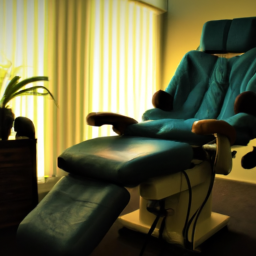
Imagine being able to relax and rejuvenate your body while sitting comfortably in a chair. Reflexology massage in a chair offers exactly that, providing a unique and soothing experience unlike any other. By targeting specific pressure points on the feet and hands, this specialized form of massage improves overall well-being, reduces stress, and promotes self-healing. Let the expert touch of a skilled reflexologist guide you on a journey of relaxation and wellness as you discover the incredible benefits of reflexology massage in a chair.
Understanding Reflexology Massage in a Chair
What is Reflexology Massage in a Chair?
Reflexology massage in a chair is a unique form of massage therapy that focuses on stimulating specific pressure points on the feet, hands, and ears to promote healing and relaxation. Unlike traditional massage techniques that target the entire body, reflexology massage in a chair is designed to target these specific reflex points, which are believed to correspond to different organs and systems within the body.
This type of massage can be performed in a specially designed chair that allows the client to sit comfortably with their legs and feet elevated. The chair provides optimal support and positioning for the therapist to access the reflex points easily and effectively.
Benefits of Reflexology Massage in a Chair
There are numerous benefits to receiving a reflexology massage in a chair. Firstly, it helps to reduce stress and induce deep relaxation. The gentle pressure applied to the reflex points stimulates the release of endorphins, which are the body’s natural “feel-good” hormones, promoting a sense of calm and well-being.
Additionally, reflexology massage in a chair can alleviate pain and discomfort. By targeting specific reflex points, this therapy can help to relieve headaches, back pain, digestive issues, and even symptoms related to conditions such as arthritis or fibromyalgia.
This type of massage also improves circulation and enhances overall blood flow. By stimulating the reflex points, reflexology in a chair encourages blood vessel dilation and increases oxygen and nutrient delivery to various parts of the body. This boost in circulation can aid in the body’s natural healing processes and promote better overall health.
Moreover, reflexology massage in a chair can improve sleep patterns and help with insomnia. By promoting deep relaxation and reducing stress levels, this therapy can help individuals achieve a more restful and rejuvenating sleep, leading to increased energy levels and improved overall well-being.
The History of Reflexology
The practice of reflexology can be traced back thousands of years to ancient civilizations such as Egypt, China, and India. These cultures understood that there is a direct connection between certain points on the feet, hands, and ears and other parts of the body. Through centuries of observation and practice, they developed techniques to stimulate these points and promote healing.
Modern reflexology, as we know it today, was popularized in the early 20th century by Eunice Ingham, an American physiotherapist. Ingham mapped out the reflex points on the feet and classified them into specific zones. She refined the techniques used in reflexology and developed the “Ingham Method,” which forms the foundation of contemporary reflexology practices.
How Reflexology Works
Reflexology is based on the principle that there are reflex points in the feet, hands, and ears that correspond to specific organs, glands, and systems within the body. By applying pressure to these reflex points, a reflexologist can stimulate the body’s natural healing mechanisms and restore balance and harmony.
During a reflexology massage in a chair, the therapist uses their hands, fingers, and thumbs to apply gentle pressure to these reflex points. The amount of pressure applied can vary depending on the client’s preferences and sensitivity levels. Through this pressure, the therapist aims to unblock any energy pathways and improve the flow of vital energy, known as Qi or Chi.
The reflexologist may also incorporate other techniques such as kneading, stretching, or rotation movements to further enhance the therapeutic effects of the massage. These techniques can increase blood flow, relax tense muscles, and promote an overall sense of well-being.
Chair Design for Reflexology Massage
The design of a chair for reflexology massage is crucial to ensure optimal comfort and support for both the client and the therapist. A reflexology chair typically features an ergonomic design that allows the client to sit with their legs elevated at a comfortable angle.
The chair may have adjustable features to accommodate individuals of different heights and body proportions. It should also provide adequate padding and support for the back, arms, and head, ensuring that the client can relax and maintain a comfortable posture throughout the session.
Many reflexology chairs also have built-in footrests or footrest attachments that can be adjusted to various angles. This allows the therapist to access the reflex points on the client’s feet with ease, ensuring accurate and effective pressure application.
Furthermore, some chairs may include additional features such as heat therapy, vibration, or manual massage functions. While these features are not essential for performing reflexology massage, they can enhance the overall comfort and relaxation experienced by the client.
Choosing the Right Chair
When selecting a chair for reflexology massage, it is important to consider several factors. Firstly, the chair should be made of durable materials that can withstand frequent use and support the weight of different individuals. It should also be easy to clean and maintain to ensure proper hygiene.
Additionally, the chair should provide ample support for the client’s back, arms, and head. It should have adjustable features, such as height and backrest inclination, to accommodate clients of various sizes and preferences. The padding should be comfortable and thick enough to provide adequate cushioning.
Another crucial aspect to consider is the accessibility of the feet. The chair should have a design that allows the reflexologist to easily reach the client’s feet and apply pressure to the reflex points accurately. Adjustable footrests or footrest attachments can greatly facilitate this process.
It is also beneficial to choose a chair that complements the overall atmosphere and ambiance of the massage setting. Opting for a chair that has a sleek and aesthetically pleasing design can contribute to creating a relaxing and inviting environment for the client.
Preparing for a Chair Reflexology Massage
Before receiving a chair reflexology massage, there are a few essential steps to take to ensure a comfortable and effective session. Firstly, it is recommended to wear loose and comfortable clothing that allows easy access to the feet, ankles, and lower legs. Removing socks and shoes is necessary to expose the feet for the therapist to perform the massage.
It is also advisable to arrive well-hydrated and avoid consuming heavy meals or alcohol immediately before the session. Drinking plenty of water will help flush out toxins and facilitate better circulation during the massage.
Informing the reflexologist about any specific health concerns or conditions is crucial to ensure a safe and tailored massage experience. This includes disclosing any injuries, allergies, or recent surgeries that may affect the massage techniques used or areas to avoid during the session.
Finally, taking a few moments to relax and mentally prepare for the massage can greatly enhance the overall experience. Deep breathing and visualization techniques can help calm the mind and promote a state of relaxation before the session begins.
The Process of Chair Reflexology Massage
A chair reflexology massage typically begins with a brief consultation between the client and the therapist. The reflexologist may inquire about any specific areas of concern or preferences for pressure intensity.
The client is then comfortably seated in the reflexology chair, with their legs elevated and supported by the footrests. The therapist will apply a lubricant such as lotion or oil to the feet, ensuring smooth gliding of their hands and reducing friction.
The reflexologist will use their hands, fingers, thumbs, and knuckles to apply pressure to specific reflex points on the feet. The pressure is usually applied in a rhythmic and repetitive manner, focusing on each reflex point for a few seconds before moving on to the next one.
Throughout the session, the client may experience various sensations, including tingling, warmth, or even slight discomfort in certain reflex points. It is important to communicate any uncomfortable sensations to the therapist, who can adjust the pressure accordingly.
The duration of a chair reflexology massage can vary depending on individual preferences and time constraints. Typically, sessions last between 30 and 60 minutes, allowing ample time for thorough stimulation of the reflex points and relaxation of the client.
Techniques Used in Chair Reflexology Massage
To effectively stimulate the reflex points, reflexologists employ various techniques during a chair reflexology massage. Some of the commonly used techniques include:
- Thumb Walking: The therapist uses their thumbs to apply sustained pressure while walking along the reflex points, following the zones mapped out in reflexology.
- Finger Walking: Similar to thumb walking, finger walking involves using the fingers instead of the thumbs to target the reflex points.
- Kneading: This technique involves kneading and rolling the foot between the hands, applying gentle pressure to relax the muscles and improve blood flow.
- Rotation: The therapist may rotate the foot or specific parts of the foot, such as the ankle, to promote joint mobility and relaxation.
- Wrapping: The reflexologist may use their hands to wrap the foot and apply pressure from different angles, targeting specific reflex points.
These techniques can be adjusted based on the individual needs and preferences of the client, ensuring a personalized and effective massage experience.
Common Pressure Points in Chair Reflexology Massage
In chair reflexology massage, the therapist focuses on stimulating specific reflex points located on the feet. The feet are divided into zones, each corresponding to different organs, glands, or systems within the body. By targeting these reflex points, the reflexologist aims to restore balance and promote healing throughout the body.
Some of the common reflex points targeted during chair reflexology massage include:
- The big toe: This reflex point is believed to correspond to the head and neck. Stimulating this point can help alleviate headaches, sinus congestion, and tension in the neck and shoulders.
- The heel: The heel reflex point is associated with the lower back and spine. Applying pressure to this point can help relieve lower back pain, sciatica, and general tension in the back muscles.
- The arch of the foot: This area is connected to the digestive system and can help alleviate issues such as bloating, indigestion, and constipation when stimulated.
- The ball of the foot: Stimulating the reflex points in this area can benefit the heart, lungs, and chest. It is believed to promote better respiratory function and alleviate chest congestion.
- The edges of the foot: The inner and outer edges of the foot are associated with the spine and can help relieve tension, promote relaxation, and improve overall spinal health.
It is important to note that while reflexology massage can provide relaxation and promote well-being, it is not a substitute for medical treatment. If you have specific health concerns or conditions, it is recommended to consult with a healthcare professional before incorporating reflexology into your wellness routine.
Aftercare and Follow-up
Once the chair reflexology massage session is complete, it is beneficial to take a few moments to transition back into a fully awake state. Slowly rise from the chair, allowing your body time to adjust and avoid dizziness or lightheadedness.
After the massage, it is essential to drink plenty of water to help flush out toxins released during the session. Hydration supports the body’s natural detoxification process and can aid in preventing any potential soreness or discomfort.
Taking time for yourself after the massage is also important. Allow yourself to rest and relax, avoiding any strenuous activities or excessive stress immediately following the session. This time allows the body to continue the healing process initiated during the massage.
In terms of follow-up, it can be beneficial to schedule regular chair reflexology massage sessions to maintain the therapeutic effects and reap the maximum benefits. The frequency of sessions can vary depending on individual needs and preferences, but scheduling a session every two to four weeks is a common recommendation.
Additionally, practicing self-care between sessions can also help prolong the effects of the massage. Simple techniques, such as applying gentle pressure to specific reflex points on your feet or hands, can provide a mini reflexology session at home. Deep breathing exercises, meditation, and stretching can further enhance relaxation and overall well-being.
In conclusion, reflexology massage in a chair offers numerous benefits for relaxation, pain relief, improved circulation, and overall well-being. By targeting specific reflex points on the hands, feet, and ears, this therapy stimulates natural healing processes and promotes balance within the body. Choosing the right chair and preparing for the session are important steps to ensure a comfortable and effective experience. With regular sessions and proper aftercare, chair reflexology massage can become a valuable addition to a holistic wellness routine, supporting optimal health and vitality.